If you’re making a gas separation membrane, look at ZIF-8. If you need a reference for CO₂ adsorption, start with HKUST-1. The product cards below show what the powders look like and list their BET surface areas.
Compare MOFs
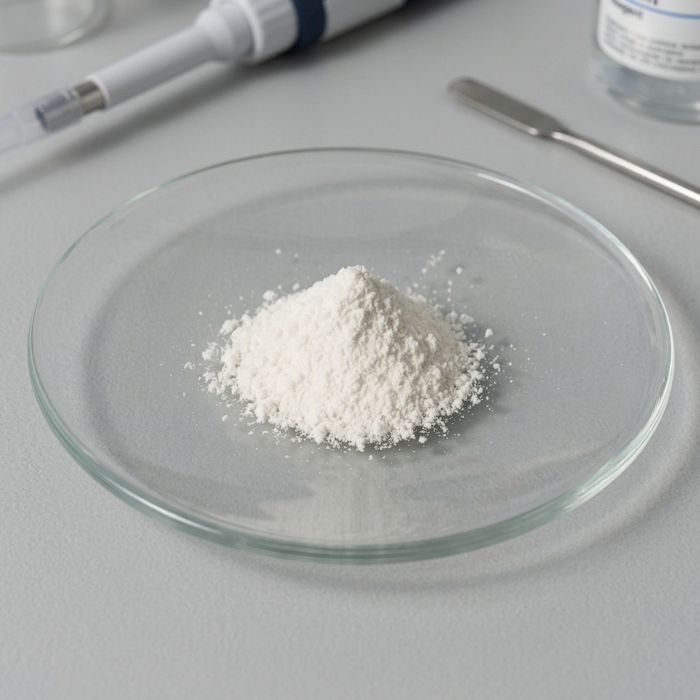
ZIF-8
White
BET 1600–1800 m²/g
Gas separation membranes
View product →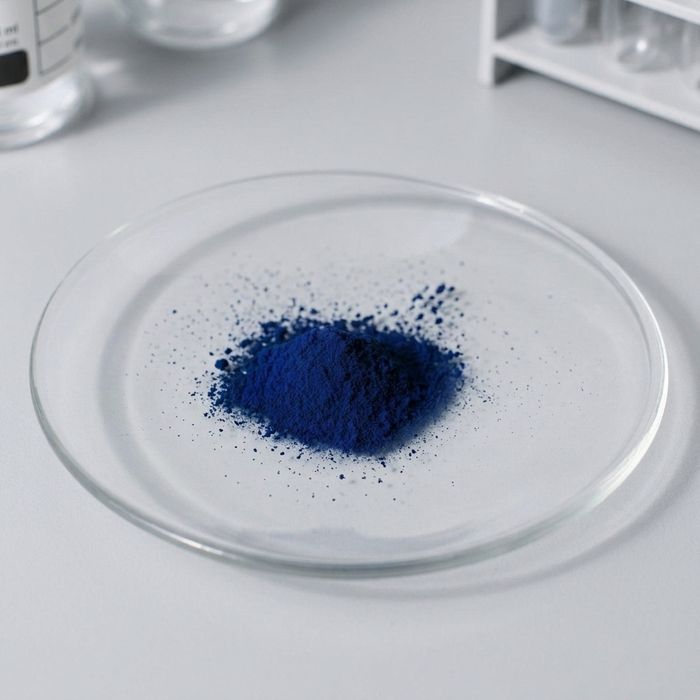
HKUST-1
Dark blue
BET 1300–1700 m²/g
Reference material for CO₂ adsorption
View product →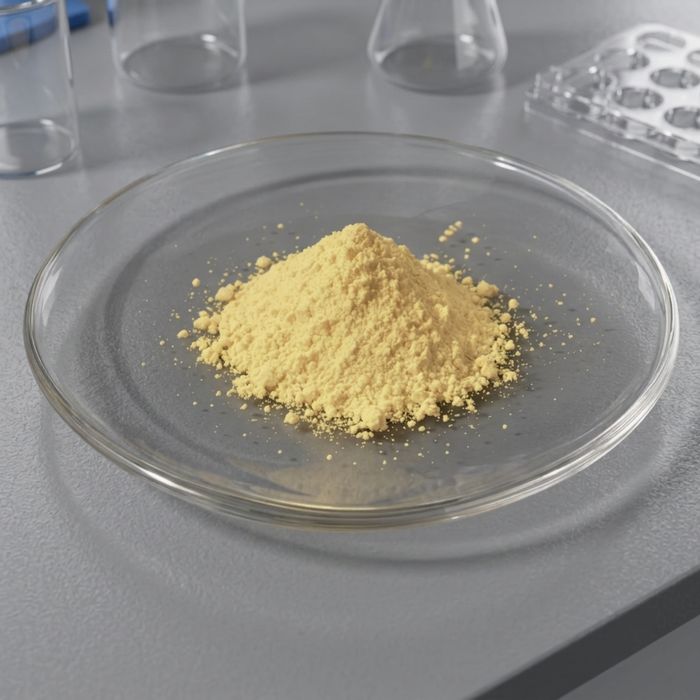
CAU-1
Yellow
BET 1300–1500 m²/g
Amino groups and adsorption studies
View product →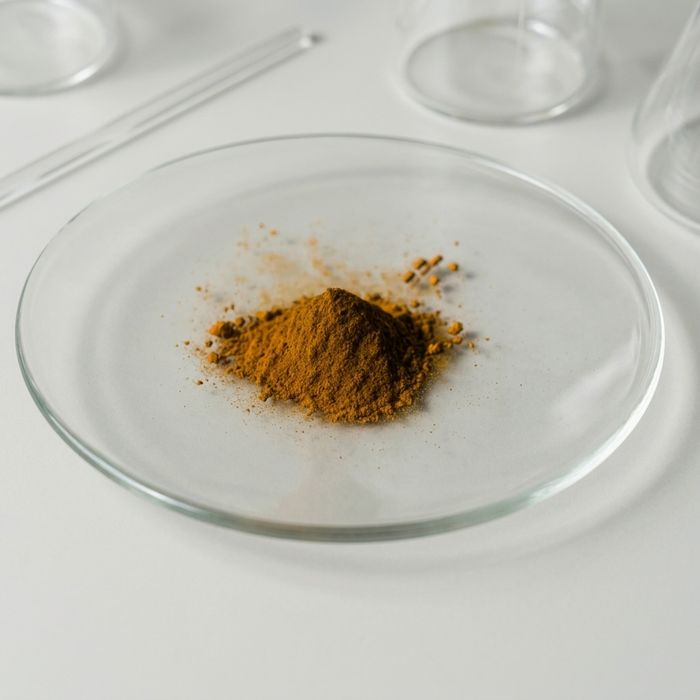
CPO-27-Ni
Yellowish brown
BET 800–1100 m²/g
CO₂ adsorption at low concentrations
View product →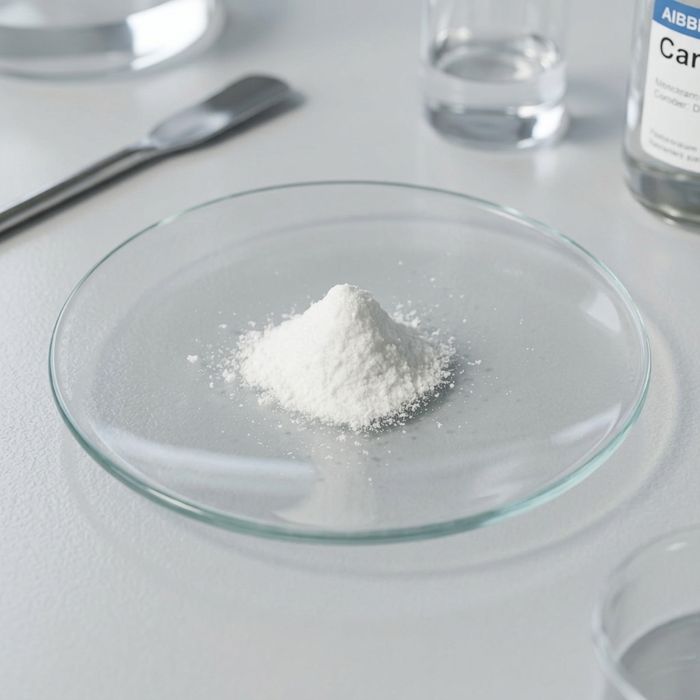
Advanced Zinc MOF
White
BET 450–550 m²/g
CO₂ capture from humid flue gas
View product →Choosing a MOF for your experiment
ZIF-8 has been studied as a filler in mixed-matrix membranes. HKUST-1 is useful as a reference in CO₂ adsorption experiments. Check the temperature, pressure and sample activation conditions before comparing your results with published data.
CAU-1 is an option for studying how amino groups affect adsorption. CPO-27-Ni, also called Ni-MOF-74, has open nickel sites that can bind CO₂. For humid flue gas experiments, see our Advanced Zinc MOF, which was developed for these conditions.
Gas storage, gas purification and water harvesting
For gas storage, check how much gas you can recover as pressure drops from the filling pressure to the delivery pressure. HKUST-1 and CPO-27-Ni have both been tested for methane storage. For hydrogen, pay close attention to temperature when comparing reported capacities. Methane storage study
For gas purification, researchers have tested membranes with a ZIF-8 layer to separate propylene from propane. Look at how well the membrane separates the two gases and how much gas passes through per unit area. ZIF-8 membrane study
For atmospheric water harvesting, a MOF adsorbs water vapour from air. Heating releases the vapour so it can condense and be collected. If this is your application, tell us the relative humidity you’re targeting and the heat source you have available.
Comparing CO₂ adsorption measurements
At a total pressure of 1 bar, a mixture containing 10% CO₂ by volume has a CO₂ partial pressure of about 0.1 bar. Look for measurements near that pressure and your operating temperature. If the feed is humid or you plan to reuse the adsorbent, look for humid-gas data and capacity after repeated adsorption and desorption cycles.
Pricing and orders
See current prices, pack sizes and technical documents in the MOF store. If a run uses 100 mg, three repeats at each of two temperatures require 600 mg when you use a fresh sample each time. Allow extra for sample preparation and trial runs.
We issue pro forma invoices and accept bank transfers for institutional orders. Contact us for an unlisted material or a different quantity. You can also order through USBio in South Korea or Shigematsu in Japan.
Frequently asked questions
Where can I buy MOF powder?
Find ZIF-8, HKUST-1, CAU-1 and CPO-27-Ni in the HELIOS MOF store, with current prices and pack sizes on each product page.
What is the difference between ZIF-8 and HKUST-1?
Are Ni-MOF-74 and CPO-27-Ni the same material?
Yes. Both names refer to the nickel member of the MOF-74 family. See the CPO-27-Ni product page for specifications.
Can I request a quote for an unlisted MOF?
Send us the material name, CAS number if available, and quantity so we can check availability.
How do I request a pro forma invoice?
Send us the product name, quantity and institutional billing details. Payment can be made by bank transfer.
How much MOF should I buy for a first experiment?
Start with the sample mass your instrument requires and the number of runs. For a membrane, calculate the MOF mass from the target loading and total dry membrane mass.
Does a higher BET surface area mean higher CO₂ uptake?
Pore size, surface chemistry, temperature and pressure all affect uptake. For dilute feeds, compare data near your CO₂ partial pressure.
How do I prepare the sample before measuring it?
Check the technical data sheet and your measurement method for the activation temperature, time and vacuum conditions.